


Knowledge of the symptoms that indicate infection of the human body with parasites allows you to start treatment in time, before general poisoning and adverse consequences occur in the form of irreversible obstruction of the digestive, respiratory, and hematopoietic organs.Every year, more than 1 ml of people in the world quietly die from parasitic attacks, unnoticed by statistics.Today, a person's health depends only on his personal activities.If signs of poisoning of unknown etiology appear, insist on modern methods to diagnose the presence of parasites and immediate treatment.
How to identify parasites in the human body, if stool analysis today is no longer considered a mandatory test even before hospitalization in the allergy department!Only with characteristic symptoms indicating infection of other organs of the body and general intoxication: sudden vomiting, diarrhea, allergic manifestations of urticaria, rhinitis, as well as sudden cutting pain in the gastrointestinal tract and head.The effect of parasites on the body depends on the habitat and more.Some cause dangerous diseases and can cause quick death, others gradually worsen the quality of life, poison the body, take away strength and health.Immediately see a doctor, because delaying treatment can lead to serious complications: meningitis, sepsis, intestinal peritonitis, damage to the nervous system.
What are parasites?
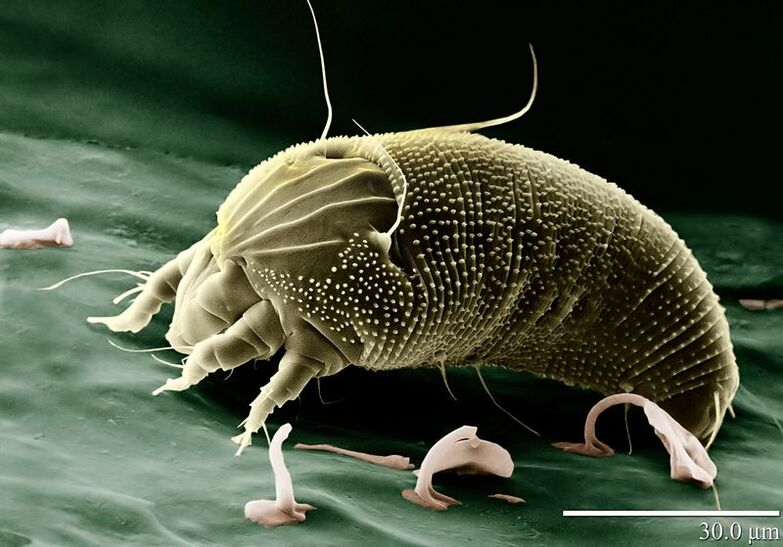
Parasites are organisms that live entirely at the expense of other, larger organisms.Depending on the location, there are ectoparasites, which live in a person from the outside, and endoparasites, which infect them from the inside.Depending on the species composition, parasites can be viruses, bacteria, worms, insects and even vertebrates.Parasites should not be considered unnatural.On the contrary, until scientists realized what it was and where it came from, people were constantly infected, which was one of the reasons for the low life expectancy of the last 1 - 2 centuries.After all, most parasites can be fatal, and in some cases only qualified medical intervention can save lives.In others, the disease can persist for decades, as parasites skillfully disguise themselves as other diseases, which cannot be cured until their true cause is eliminated.
What parasites can live in humans
People who are far from medicine consider exclusively various types of worms as parasites that live in the human body.Meanwhile, there are more than 300 species of micro and macro parasitic organisms that steal nutrients from human cells, destroy the integrity of blood walls and lymph vessels and organs, poison the blood.Moreover, most of their species coexist peacefully and independently when living together.They didn't stop each other from consuming a person's flesh and blood, multiplying his painful state of health.Therefore, when identifying worms, you should always test for the presence of pathogenic protozoan microorganisms.
Which endogenous "predator" is among the most dangerous human parasites:
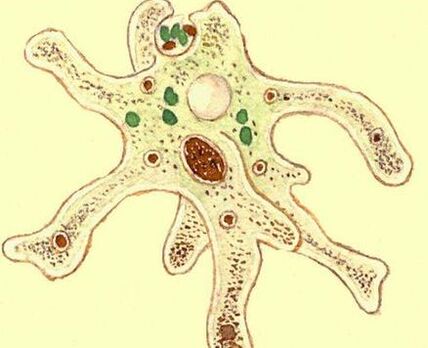
- Amoeba: dysenteric, intestinal, naegleria, acanthamoeba.
- Trichomonas: intestine, vagina.
- Giardia.
- Tryponosomes: Cruzi, Rhodesian, Gambian.
- Leishmania: donovani, tropical.
- Balantidium.
- Toxoplasma.
- Piroplasmoid.
- Plasmodium malaria.
- Babesia.
- Ichthyophthirius.
- Flukes: liver, lung, Chinese, cat, lanceolate.
- Fasciolopsis.
- coincidentally Egypt.
- Metagonimus.
- Schistozomas (blood urine).
- Wide tapeworm.
- Tapeworms: rats, dogs (rare).
- Dwarf, pig, cow, Asian, brain.
- Echinococcus.
- Alveococci.
- Ringworm.
- pinworms.
- Toxocara (dog).
- whipworm.
- intestinal eel.
- Mining worms.
- Rishta worm.
- Trichinella.
- Brugia, Wuhereria.Loa-Loa.
- Onchocerca.
- Angiostrongylus.
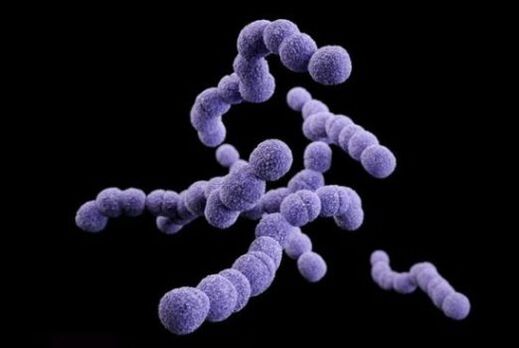
This is a small part of the list of parasites that live in the world, threatening dangerous diseases of the brain, digestive organs, blood circulation, damage to nerves, hormones, reproduction, and all other body systems.
Route of infection
The carriers of most parasites (and intermediate hosts) are birds, rodents, flies, horseflies and mosquitoes.Domestic and wild animals, fish.The main source of parasite attacks is sick people, with their secretions parasites are spread in the soil, water bodies, and air space.
How the transfer takes place:
- Using the feeding method (through the gastrointestinal tract), it is possible to get parasites from contaminated water and food products when enterprises ignore hygiene and sanitation rules for their processing.And also, if you don't wash vegetables from the garden, sip water when swimming in the river.Eat half-cooked shish kebab, river fish sushi (this is how many intestinal protozoa and helminths penetrate the body).
- You can get infected through casual contact if you don't wash your hands often enough.Through money, holding hands in institutions, holding hands in transportation, toys, household goods.Or through handshakes, kisses with infected people.After contact with a sick animal (path for the introduction of almost all parasites).
- In a transmissible way (through the blood), larvae and pathogenic parasites enter the body after the bite of a fly, mosquito, flea, bird or animal.
- Through the percutaneous route, infection occurs when parasite larvae penetrate the mucous membrane tissue and pass through the skin (ankystoma, schistoma).
- Aerogenic type of infection occurs when parasite eggs (for example, echinococcus) are inhaled.
- The transplacental route is the transmission of intrauterine parasites to the baby (nematodes, toxoplasma).
- Tryponosomes and Trichomonas are spread through sexual contact.
- Transfusion transfusion - during operations in the hospital through poorly processed instruments.
The main factors that cause an increase in the rate of parasitic infections in people are: poor personal hygiene, consumption of unprocessed food and water on a large scale, late visits to the doctor, and lack of proper medical examination.
Symptoms of the presence of parasites in the human body
There are general signs of infection and specific ones based on the location of pathogenic micro and macro organisms.Parasites are:
- Intracellular (damaging cells).For example, toxoplasma, leishmania, plasmodium.
- Cavitary: lives in the intestinal cavity, lungs, genitourinary and other organs.Tapeworms, pinworms, hookworms, roundworms, tapeworms, whipworms.
- Tissues: live in lymph, blood (hemosporidium, microfilaria, trypanosome).In striated muscles (trichinae, sporidia).In brain tissue (toxoplasma, tapeworm larvae, trypanosomes) and nerve fibers.
All these classifications are somewhat arbitrary, because many parasites are constantly on the move, migrating to different organs and tissues.General manifestations of aggression are as follows:
- dyspeptic disorders: diarrhea, vomiting, flatulence, constipation, gastrointestinal pain;
- allergic manifestations: rhinitis, rash;
- pain in muscles, joint area;
- appearance of papilloma, condyloma, lipogranuloma, fibrous tumor;
- weight loss or weight gain;
- nervous disorders: excitement (or lethargy), irritability (apathy), insomnia;
- bruxism (involuntary grinding of closed teeth during sleep);
- decreased immunity, expressed with increased flu.
Parasites are also pathogenic viruses, bacteria, and fungi that cause infectious diseases.When infected, common symptoms are observed: high fever, sore throat, head, stomach, runny nose, cough, sneezing and others.
How to determine the presence of parasites
When one or another organ or tissue is damaged, its own characteristics will dominate.
In the intestines
The most suitable place for parasites to live: high humidity, warm temperature, neutral pH environment.Symptoms of intestinal damage:
- constipation;
- diarrhea;
- flatulence;
- intestinal obstruction;
- spasmodic pain, cramps in the stomach;
- weight loss;
- vomiting;
- nervousness;
- lack of (or increased) appetite.
A person is overcome by helplessness, fatigue, and reluctance to move.
In the stomach
With a parasite attack, the following signs are observed:
- nausea;
- belch;
- saliva;
- heaviness and bloating;
- diarrhea;
- bleeding during bowel movements;
- itching in the anal area due to pinworms;
- cough due to gastric neuroreceptor irritation.
With intestinal acne, sputum can be separated from the blood fraction.
In the heart
symptoms:
- pain in the right hypochondrium;
- belch;
- nausea;
- allergic urticaria;
- yellowing of the sclera, oral mucosa and skin;
- loss of hair follicles;
- weaknesses;
- irritation;
- anemia.
There is significant swelling in the legs and abdomen.
In the blood
Distinctive symptoms:
- fever;
- thickening, enlargement, pain of lymph nodes;
- rash on the body;
- dizziness, headache;
- thirst;
- lethargy, sleepiness;
- breathing difficulties;
- circulatory disorders, expressed in numbness and coldness in the legs.
Anemia inevitably develops, because many parasites destroy red blood cells.
In case of heart failure
There are always signs of lung and heart failure.
- cough;
- breathing difficulties;
- nervousness, fear;
- weaknesses;
- chest pain;
- arrhythmia, bradycardia;
- temperature, fever alternating with chills;
- changes in blood pressure;
- sweating;
- pale face, neck;
- anemia.
Signs of hypoxia are observed: cyanosis of the skin of the fingertips, triangle of nasolabial mucosa and mouth.
In the lungs
Characteristic symptoms:
- breathing difficulties;
- difficulty breathing;
- attacks of dry cough at night;
- asthmatic bronchospasm;
- allergic rhinitis, sneezing;
- chest pain;
- rapid pulse;
- nausea
It is possible to separate a little frothy sputum with blood cells.
Under the skin
External symptoms:
- small itchy red rash, large swollen blisters on the skin;
- ulcers, abscesses, warts, eczema;
- fever;
- night sweats;
- dense mobile tumor-like areas under the skin;
- anemia.
Allergic cough and runny nose often develop.
In the eye
Distinctive symptoms:
- inflammation of the conjunctiva, accompanied by burning and itching;
- pain in the eyes and pain when moving your eyes to the side, up;
- flies fly, cloudy threads before the eyes;
- dry mucous eyes;
- blurred vision of objects, double vision;
- headache, dizziness;
- eyelid swelling;
- blue under the eyes.
Characteristic signs of helminthic attack
Helminthic attacks are considered a whole group of diseases caused by different types of parasites.Penetrating into the body intentionally or unintentionally, many helminths destroy the organs in which they live and migrate.As a result, diseases called parasitic diseases arise.
Worms have hooks and suckers, with the help of which they strengthen themselves in the chosen place.This obstruction causes wounds and bleeding on the mucous membrane.Larvae move through body tissues, move to other organs, and colonize comfortable places.They can reach any organ and select it for life.This is how helminths travel from the gut, where most pathogens first enter, through the bloodstream to the liver, lungs, brain, and heart.Let's consider what are the effects of parasites on the body, what are the symptoms caused by the foreign presence in a person.
Stomach and intestinal discomfort syndrome
Many helminths choose different parts of the digestive tract as their permanent habitat in the body.At the same time, they interfere with its natural functions.Among the danger signs of worms:
- bloating and gas formation;
- constant heaviness and pain in different parts of the gastrointestinal tract;
- periodic colic;
- inclusion of fat in the stool.
Irritable bowel syndrome is a frequent companion to the presence of helminths.
Bile stagnation
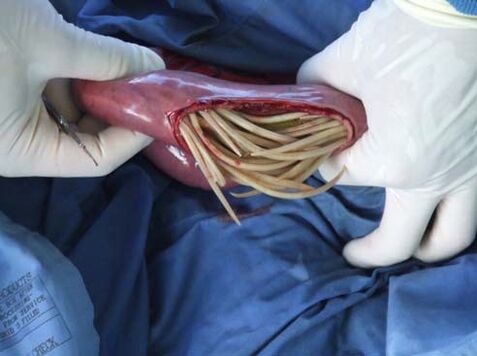
Blockage of the bile ducts by large parasites hinders the results and can cause obstructive jaundice.These cases most often require surgical treatment.
Constipation and diarrhea
Abnormal bowel movements are a symptom of helminthic infestation.Severe diarrhea alternates with constipation, which has absolutely nothing to do with eating poor quality food or poor nutrition.When the intestinal tract is blocked by clusters of parasites, mechanical constipation occurs.Reference: specific secretions of some helminths lead to disruption of sodium and chloride metabolism, which leads to diarrhea.
Dysbacteriosis
The vital activity of parasites can cause disruption of the natural intestinal flora.However, often the signs of dysbiosis turn into delusions;it is impossible to cure the condition by taking traditional probiotics.
Decreased immunity
By seizing the largest part of the host's nutrients, helminths interfere with the protective function of the immune system.They weaken the body, as a result of which a person easily becomes a victim of infectious diseases - respiratory, intestinal, musculoskeletal system is weakened, heart function and other organs are disturbed.
The appearance of pain in the muscles and joints
When settling in the muscle tissue, the parasite can cause aches and pains in the joints and surrounding tissues.Swelling and signs of arthritis are common.In response to the presence of helminths in the body, autoimmune antibodies are produced, which trigger the destruction of healthy tissue.
Fluctuations in weight
The presence of parasites can cause weight loss due to a lack of nutrition for normal body function.It is not uncommon for a person to experience weight gain, as many feel constantly hungry and strive to replenish lost nutrients.Constant weight fluctuations are a companion to parasitic infections.
Anemia
Due to the presence of helminths, anemia develops - a lack of hemoglobin in the blood.This is caused not only by blood loss from damage to the mucous membrane by helminth suckers, but also by disruption of the synthesis of substances involved in hematopoiesis.Ulceration of the mucous membrane does not allow the absorption of useful substances necessary for the normal synthesis of red blood cells and other blood elements.
Vitamin deficiency
Signs of vitamin deficiency develop in the body of all infected people.Disorders in the gastrointestinal tract do not allow them to be fully absorbed;moreover, most of them are spent feeding helminths.
Sleep disturbances and nervousness
Foreign presence in the body disrupts all natural processes.Toxins poison and affect the psycho-emotional state.Due to intoxication, the functions of the nervous system and brain are disturbed, a person becomes restless, always "on edge", pleasure is replaced by apathy.
Chronic fatigue
Chronic fatigue syndrome is a result of body hangover.The wearer's productivity and interest in life decreases;even during the day it is difficult to prepare and do the necessary work.Cognitive abilities decline, and this is especially hard on a growing child's body.
Oncological diseases
General weakness of the body and damage to certain organs can cause the development of cancer.Loss of immunity, intoxication with harmful substances produced by helminths, and constant tension in the nervous system can cause the development of tumors.
Differences in symptoms between children and adults
The main signs of the development of helminthic attacks in the body are the same for people of any age.Children have some characteristic features determined by the underdevelopment of the immune system and make infections more dangerous than adults.Children are more likely to be infected with helminths.This happens for the following reasons:
- Weakness and imperfection of the immune system;
- Lack of developed hygiene skills;
- More frequent and careless contact with animals, the ground (play in the sandbox is particularly dangerous), and peers.
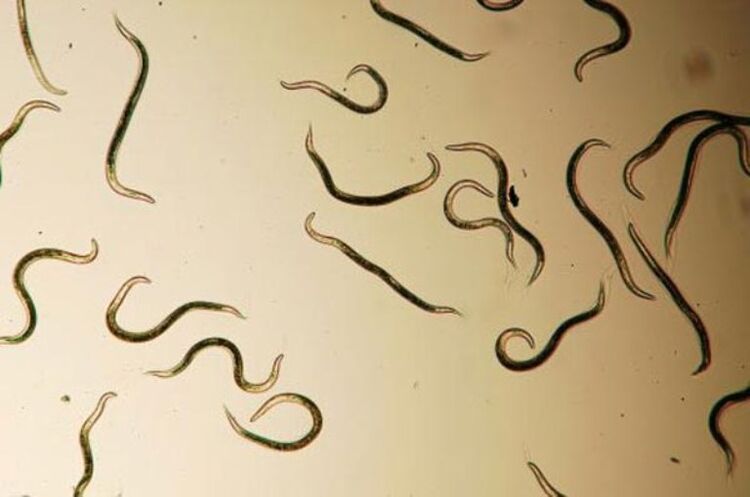
Children are most often infected with pinworms, roundworms, and toxocara.In the development of helminthiases, additional symptoms that are not present in adults can be detected:
- Worsened allergic reactions and symptoms of motion sickness.Often it is not possible to identify the parasite in time.Atopic dermatitis often develops.
- Dysbacteriosis, which develops very quickly.At the first signs of microflora disturbance, children should be examined for the presence of parasites.
- Slow growth.Adults lose weight, and babies stop growing normally.
- Increased lethargy or excitement, mood swings and frequent tears.
- Delayed psycho-emotional and mental development.The child learns worse and begins to lag behind his peers not only in growth, but also in development.This is especially noticeable in young children.
It is necessary to diagnose and treat any parasitic infection in children as soon as possible so that the child develops normally and does not lag behind his peers.
Allergic reaction
During their lifetime, helminths secrete substances that poison the body and lead to various allergic reactions.Especially a lot of toxins are released during the molting of the parasite.Foreign substances are interpreted by the immune system as dangerous to the body and trigger the production of immunoglobulin E, which is a sign of allergy.The rash varies and is difficult to treat.It is impossible to get rid of it without destroying the helminths in the body.Allergies can be in the form of dry cough and breathing problems.
Skin problems, acne
By robbing the body of nutrients, parasites cause vitamin and microelement deficiencies.This leads to dermatitis and insufficient skin moisture.The function of the sebaceous glands in the body is also disrupted, resulting in acne and boils.Often, the deterioration of the skin condition is a sign of the presence of helminths.
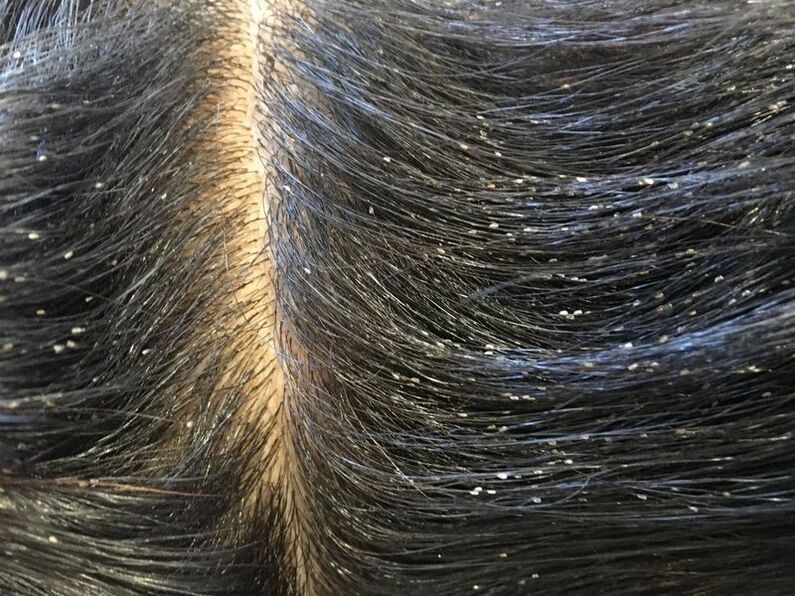
And bedbugs are also considered a real scourge for humans: they lead a parasitic lifestyle, settling next to a person and feeding on his blood.Bedbug bites can cause painful irritation and itching.Parasitosis disguises itself as thousands of diseases, so it is impossible to determine it visually, without laboratory tests.The duration of recovery depends on the accuracy of the diagnosis and identification of the parasite in the early stages of the infection.
Treatment
You should not take medicine without your doctor's permission.All drugs used to destroy protozoan parasites and helminths are toxic not only to them, but also to the human liver.
Treatment of helminths
When choosing a drug, preference is given to drugs with a broad spectrum of action.Broad-spectrum drugs eliminate the ability of helminths to absorb nutrients and destroy their cells.They destroy roundworms, pinworms, tapeworm larvae, and other parasites.Used to treat taeniasis, enterobiasis, hookworm disease, and ascariasis.As well as trichocephalosis and echinoccosis, they get rid of nematodes, pinworms, whipworms, roundworms, toxoplasma, and necator.Doctors choose drugs according to two safety criteria for people: drugs that inhibit the parasite's ability to feed and metabolize are less harmful to the liver.And drugs that paralyze worms have a more toxic effect on humans.Self-medication with pharmaceuticals will not lead to any good.
Folk recipes
For children, women, nursing babies and pregnant women, and the elderly, it is safer to remove many parasites using folk antiparasitic drugs:
- Pear juice with pulp from fresh fruits, carrot juice is recommended for treating children.Drink 50 ml on an empty stomach an hour before meals for a week, 10 days.
- Pumpkin seeds.You need to chew the raw seeds on an empty stomach, along with the thin green skin (this is what has strong anthelmintic properties).The daily portion is 250 to 400 g of seeds, after which after a few hours you need to take a laxative tablet.The duration of treatment is from 3 to 5 days.
- Infusion of freshly ground pomegranate peel.The mass of the skin of 1 fruit is poured with boiling water (250 ml), put in a thermos for 1.5 hours.Strain.Dose - drink on an empty stomach every 4 hours, before bed - laxative.
- Decoction of buckthorn bark.For 300 ml of water you need 3 teaspoons.crushed raw materials.Boil on low heat for 15 minutes, leave for 2 hours, drain.Daily norm: 30 ml 5 times.
- Infused with tansy flowers and wormwood.Take 3 teaspoons per 500 ml of water.a mixture of dried inflorescence powder (or fresh mass).Boil for 5 minutes, let cool.Filter.You should take no more than 50 ml at a time, in the morning, during lunch, in the evening on an empty stomach for 5 days.
- House triad.A collection of dry powder from equal parts of wormwood, spice in clove buds and tansy, use 1 teaspoon each.4 times during the day on an empty stomach, chew thoroughly and drink clean water.
- Garlic.To cleanse the body of parasites, you need to eat 2-4 cloves every day, in the morning and at night on an empty stomach, without salt or bread, for a week.
- Ancient anthelmintic miracle recipe: eat salted herring and onions on holidays.You can't eat or drink anything else until evening.By evening, helminths will crawl out of the intestines en masse with feces.
- Castor oil + cognac.A unique and effective recipe from Soviet times: mix a cocktail of ingredients 50:50, drink in one gulp instead of dinner.Before 3 am all the worms will come out.If not all, then repeat the treatment a few more nights.
Parasites do not tolerate red pepper and reddish brown, so they should be included in the diet as often as possible.This is both treatment and prevention.In addition, during the treatment process it is necessary to exclude sweet and fatty foods from the daily menu.As well as butter, milk, baked goods, canned goods and smoked meats.
Preventive measures
Today, almost all parasites are imported from foreign countries.When traveling to tropical countries, be sure to consult a doctor in the selection of antiseptics.To avoid infection with domestic parasites, it is necessary to observe hygiene rules:
- Wash your hands regularly.
- Rinse vegetables and fruits with boiling water.
- Do not eat semi-raw food: cooked meat, rare steak.
- Avoid buying food and ready meals from trays, kiosks and tents.
- Do not swim in an unknown pool, lake or river.
- Do not walk barefoot on contaminated grass or sand.
- Do not drink water from natural springs or tap water.
- Do not allow children to pet other people's animals or come into contact with people of marginalized species.
Parasites are a constant neighbor and friend of man.It is often impossible to prevent infection.At the first symptom of a problem in the body, you need to contact a specialist for help.Early detection of parasitic infestations can help prevent serious organ damage.Take care of yourself and your family!